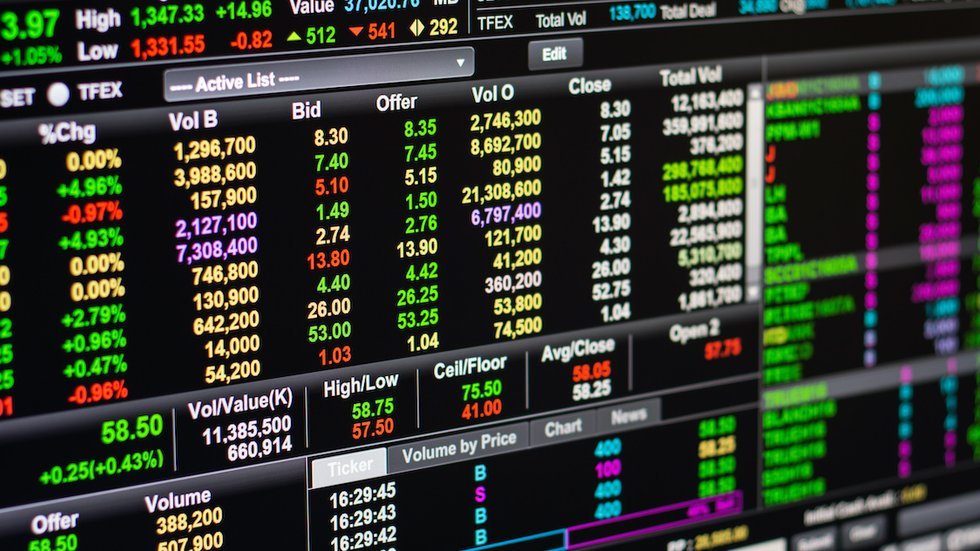

TheTexas Stock Exchange refers to regional or local trading platforms in Texas that allow investors to buy and sell shares of Texas-based companies. Unlike the NYSE or NASDAQ, it does not have a centralized trading floor or massive global presence. However, it provides a unique opportunity to focus on local companies, particularly in sectors like energy, agriculture, and technology.
Historically, smaller exchanges in Texas allowed local companies to raise capital without listing nationally. Today, many trades occur over-the-counter (OTC) or through brokers who specialize in Texas stocks. This regional focus can benefit investors who want to be part of emerging businesses in the state or who prefer investments with a local economic impact.
| Feature | Details |
|---|---|
| Type | Regional / Local trading platform |
| Popular Sectors | Energy, Technology, Agriculture |
| Trading Method | OTC (Over-the-Counter), Brokers |
| Regulation | State and SEC oversight |
Investing in the Texas Stock Exchange is more than just trading—it’s a way to participate in Texas’ economic growth, follow regional trends, and potentially spot opportunities before they appear on national exchanges.
How Does the Texas Stock Exchange Work?
The Texas Stock Exchang operates differently from major global exchanges. Most trading is done electronically or OTC, meaning there is no central trading floor. Investors place orders through brokers who specialize in regional stocks. These brokers facilitate trades between buyers and sellers while ensuring compliance with state and federal regulations.
Unlike national exchanges, which have strict listing requirements, the Texas Stock Exchange often lists smaller or private companies. This allows startups and growing businesses to attract local investment capital. While the market may have lower liquidity—meaning fewer buyers and sellers—it offers investors access to unique opportunities that larger markets may overlook.
| Aspect | Description |
|---|---|
| Trading Platform | Mostly OTC via specialized brokers |
| Investor Access | Local and regional investors |
| Liquidity | Lower than national exchanges |
| Regulation | SEC guidelines + state oversight |
Investors can track trends through market news, company reports, and brokerage platforms. Although smaller in scale, this local market provides insights into Texas’ key industries, helping investors make informed decisions.
Types of Stocks and Securities on the Texas Stock Exchange
The Texas Stock Exchang hosts a variety of stocks and securities, catering to both small investors and regional businesses. Key categories include:
- Energy Stocks: Texas is a hub for oil, gas, and renewable energy. Local energy companies often trade on regional platforms.
- Technology Stocks: With cities like Austin booming in tech, investors can access startups or mid-sized tech companies before they list nationally.
- Agriculture Stocks: Texas’ agricultural sector includes ranching, farming, and agri-tech companies. These are unique investment opportunities not found elsewhere.
- Penny and Small-Cap Stocks: These smaller companies can have high growth potential but are riskier due to lower liquidity.
Investors must research companies carefully, as smaller exchanges may not provide as much information as national markets. Despite this, the Texas Stock Exchange can be a goldmine for savvy local investors who understand the state’s economic landscape.
Benefits of Investing Through the Texas Stock Exchange
Investing in the Texas Stock Exchange comes with several advantages:
- Local Investment Focus: You can invest directly in companies that are shaping Texas’ economy.
- Early Access to Emerging Companies: Startups and smaller businesses often list regionally first.
- Diversification: Adding regional stocks to your portfolio spreads risk across industries and markets.
Moreover, regional trading allows investors to follow economic trends more closely. For example, if oil prices rise, energy stocks in Texas often respond faster than national indexes. This gives investors a strategic advantage when timing trades.
Quick Info Table: Benefits of Texas Stock Exchane Investments
| Benefit | Why It Matters |
|---|---|
| Local Insight | Understand Texas market trends |
| Early Growth Opportunities | Access smaller, high-potential companies |
| Diversification | Spread investments across sectors |
Investing regionally also builds a sense of community impact, as your investment contributes to businesses that drive local jobs and innovation.
Risks and Challenges of the Texas Stock Exchange
Like any investment, the Texas Stock Exchange carries risks:
- Lower Liquidity: Fewer buyers and sellers can make it harder to buy or sell quickly.
- Volatility: Small or emerging companies often experience larger price swings.
- Regulatory Differences: Regional platforms may not have the same protections as national exchanges.
Investors should carefully analyze companies and sectors before investing. Using diversification and research can help mitigate these risks while still taking advantage of unique opportunities.
How to Start Investing in the Texas Stock Exchange
Starting with Texas regional investments is simple but requires preparation:
- Choose a Broker: Look for brokers familiar with Texas stocks or OTC trading.
- Research Companies: Understand local industries like energy, tech, and agriculture.
- Monitor Trends: Keep an eye on Texas market news and economic reports.
- Start Small: Begin with small investments to understand the market’s dynamics.
A step-by-step approach ensures investors make informed decisions while gradually building confidence in regional trading.
The Future of the Texas Stock Exchange
The Texas Stock Exchang and regional trading are expected to grow as Texas becomes an economic powerhouse. Technology, energy, and agriculture will continue to drive local investments. Emerging renewable energy startups in Texas are attracting attention from both local and national investors.
Experts predict that while it may never rival national exchanges in size, the Texas Stock Exchange will remain a valuable platform for regional investors, especially those seeking unique growth opportunities or wanting to support local economies.
FAQs
1. Is the Texas Stock Exchange a major stock market?
No, it’s a regional trading platform for Texas-based companies. It doesn’t have the size or listing requirements of NYSE or NASDAQ.
2. Can anyone invest in the Texas Stock Exchange?
Yes, but most investments go through brokers specializing in regional or OTC trading. Local knowledge helps.
3. What industries dominate the Texas Stock Exchange?
Energy, technology, and agriculture are the primary sectors with most regional listings.
4. Is investing in Texas stocks risky?
Like all investments, there’s risk. Smaller companies can be volatile, but research and diversification reduce risk.
5. How can I monitor Texas Stock Exchange trends?
Use brokerage platforms, regional market reports, and news related to Texas companies and economic trends.
Read more : Texas Stock Exchange: Your Complete Guide to Investing in Texas Markets