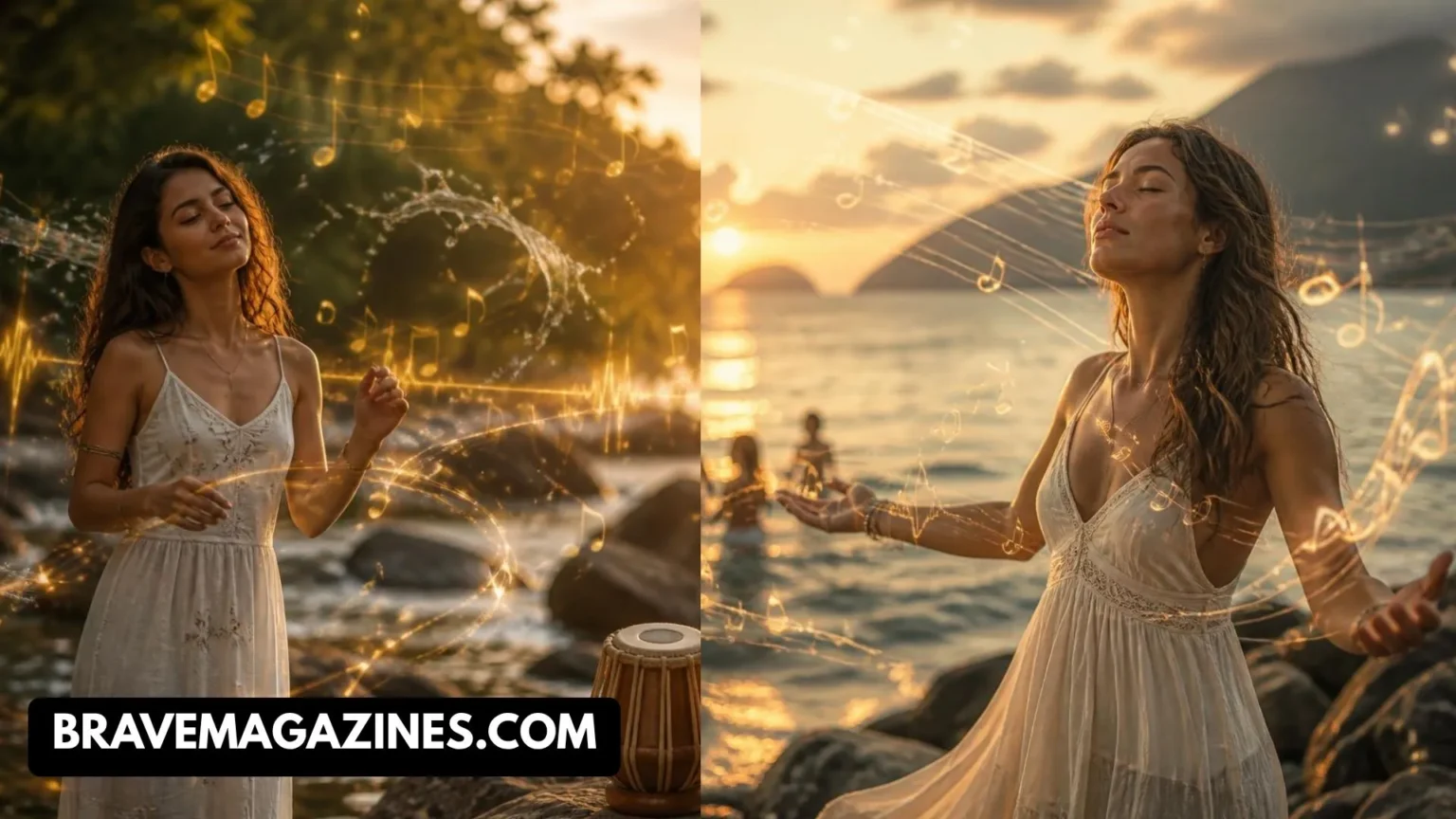

Pulsamento is a term that many encounter in music, science, or daily life, yet few fully understand its depth. At its core, pulsamento represents a rhythmic pulse or continuous beat that underlies motion and energy. In music, it is like an invisible heartbeat guiding melodies, harmonies, and rhythms. It ensures that instruments, voices, and percussion stay synchronized while giving listeners a natural sense of timing. Beyond music, pulsamento describes repetitive flows in nature and life, such as the rise and fall of ocean waves, the rhythm of footsteps, or the pulse of a lively city. Recognizing pulsamento allows us to connect intuitively with the world’s natural and human-made patterns.
Pulsamento Beyond Simple Beats
Linguistically, pulsamento derives from the Italian verb pulsare, meaning “to beat” or “to pulse,” with roots in Latin. Unlike a strict measure of time or tempo, pulsamento is felt rather than counted. It conveys the subtle sense of motion that organizes sound, movement, or energy. For instance, when listening to music, tapping your foot naturally to the rhythm reflects the body sensing pulsamento. It goes beyond numbers or notation; it is the internal flow we respond to instinctively. Understanding this invisible pulse can help musicians, dancers, and artists craft performances that feel alive and harmonious.
| Term | Meaning |
|---|---|
| Pulsamento | The steady, underlying pulse or rhythm guiding movement or music flow |
| Pulse | A single beat or measurable rate of a rhythm |
The concept of pulsamento has a long and rich history. It originates from the Italian word pulsare and Latin roots, emphasizing rhythmic motion and beat. Classical music, poetry, and literature contain early references to pulsamento as both a technical term and a metaphor for life’s energy. In literature, authors described the pulsating flow of emotion or natural forces, while musicians used it to convey timing, phrasing, and continuity. Early composers recognized that pulsamento was not just a measurable beat but a felt sensation, shaping the structure and mood of compositions.
Over centuries, pulsamento evolved into a universal concept beyond music. Philosophers and scientists observed pulsamento in natural cycles like tides, day and night rhythms, and biological patterns. Musicians refined it to express subtle energy in performance, while artists used it to communicate movement and flow visually. Today, pulsamento connects multiple disciplines, symbolizing rhythm, life, and energy in tangible and intangible ways. Its historical journey illustrates how humans have always been attuned to the pulse of the world, consciously or unconsciously responding to these natural flows.
Pulsamento in Music — Rhythm, Beat & Flow
In music, pulsamento is essential for creating cohesion. It acts as an invisible heartbeat that keeps performers and listeners in sync. Unlike tempo, which is a measurable pace, pulsamento is felt instinctively. Musicians often internalize it long before touching an instrument or singing. This internal pulse ensures that every note, chord, and rest maintains the piece’s rhythmic integrity. A strong sense of pulsamento allows performers to improvise without losing structure, creating dynamic, expressive, and engaging music. Listeners also respond to pulsamento, often tapping feet, nodding heads, or swaying unconsciously, demonstrating how deeply it resonates with humans.
Pulsamento also defines genres and styles. Classical music often relies on subtle pulsamento to guide phrasing and emotional expression, while electronic dance music emphasizes strong, repetitive pulsamento that energizes crowds. Jazz musicians leverage pulsamento to synchronize improvisations, and folk music often reflects natural speech or movement rhythms. Understanding pulsamento in music helps performers and listeners appreciate the flow, energy, and cohesion within compositions, making music more than just notes on a page—it becomes a living, breathing experience.
Pulsamento in Science & Nature
Pulsamento is not confined to music; it appears naturally in science and biology. Biological pulsamento is evident in heartbeats, breathing patterns, and brain waves, all following rhythmic cycles. The pulse of blood, the rise and fall of the chest, and the firing of neurons demonstrate how life itself is a series of pulsamenti. Scientists study these rhythms to understand health, energy balance, and bodily coordination. Awareness of pulsamento in biology aids in medical assessments, exercise routines, and even meditation practices, showing how rhythm underpins both physical and mental well-being.
In physics, pulsamento explains repetitive phenomena such as waves, vibrations, and cycles. Ocean waves, sound waves, and mechanical oscillations all exhibit pulsamento, reflecting predictable but dynamic patterns. Observing pulsamento in nature enhances comprehension of energy flow and periodicity in physical systems. For example, engineers use pulsamento patterns to design machinery or monitor vibrations in structures. In everyday life, recognizing these natural pulses deepens our appreciation of the universe’s rhythm, connecting human perception to the broader patterns of existence.
Pulsamento in Everyday Life & Culture
Pulsamento shapes daily life, often unnoticed. Cities have their own pulsamento of activity, with traffic flow, foot traffic, and social energy creating invisible rhythms. In art, pulsamento describes the dynamic flow in visual compositions, dance, and theater. Nature is filled with pulsamento as well—the sway of trees, rustling leaves, and ebbing tides all reflect repetitive cycles. Observing these pulses enhances mindfulness, as we begin to notice how rhythm organizes both movement and experience in human environments and natural settings.
Culturally, pulsamento is a metaphor for energy, motion, and emotional flow. Writers and artists often refer to pulsamento to describe momentum or cohesion in their work. Understanding pulsamento can improve attention, performance, and creative expression. By aligning with pulsamento, we connect more deeply with music, nature, and social rhythms, making life more harmonious. Recognizing these patterns also provides insight into human behavior, allowing better synchronization in group activities, dance, and collective events.
Practical Applications of Pulsamento
Knowing pulsameno is useful in music, dance, and performance. It enhances timing, coordination, and expressive ability. Music students use exercises like clapping, tapping, or metronome practice to internalize pulsament. Dancers rely on pulsament to maintain flow and execute movements with precision. Strengthening pulsameno leads to more cohesive performances and helps performers improvise confidently while staying rhythmically connected. Even casual music listening becomes more immersive when one consciously engages with pulsament.
Beyond performance, pulsament has practical applications in technology, design, and health. Rhythm-based apps, training tools, and metronomes utilize pulsamentoto improve learning and motor skills. Designers apply pulsament principles to create visual flow in art, media, and user interfaces. Therapists employ rhythmic exercises to enhance motor function and cognitive development. Understanding pulsament extends beyond music—it provides a framework for improving coordination, creativity, and well-being in multiple areas of life.
| Field | Application of Pulsamento |
|---|---|
| Music & Dance | Improves timing, rhythm, and synchronization |
| Science & Health | Monitors biological rhythms like heartbeat and breathing |
| Art & Design | Guides visual flow and energy in creative works |
| Technology | Rhythm-based apps, metronomes, and training tools for learning |
Pulsamento vs Similar Concepts
Pulsamnto is often confused with related terms like pulse, rhythm, and tempo. Pulse refers to a single measurable beat, such as a heartbeat or metronome tick. Rhythm is a pattern of sounds or silences, often more complex than a simple pulse. Tempo indicates speed, typically measured in beats per minute. Pulsameno, however, is the underlying, felt flow that organizes these elements, allowing music, movement, and life to resonate coherently. It is intuitive, subtle, and essential to creating and perceiving natural rhythm.
Recognizing the distinction improves understanding and application. While tempo sets pace and rhythm arranges events, pulsament ensures cohesion and flow. In everyday life, pulsament allows us to move with music, anticipate natural cycles, or sense patterns in social and environmental activity. It is the invisible thread that unites beats, waves, or motions, giving structure and life to experiences. By developing awareness of pulsameo, one can enhance both perception and creativity in music, art, and daily activities.
Frequently Asked Questions (FAQs)
1. What is pulsameno in simple words?
Pulsameto is the underlying pulse or rhythm you feel in music, nature, or life. It’s the steady beat that organizes movement, flow, and energy.
2. Is pulsameno only used in music?
No, pulsameto also appears in nature, art, daily life, and science. It describes any repeating pattern or flow that gives structure and rhythm.
3. How can I feel pulsameno in music?
Tap your foot, clap hands, or move with the music. Feeling pulsameto is more about sensing the beat than counting it.
4. Why is pulsameno important in life?
Pulsameno helps us notice rhythm in our bodies, surroundings, and creative expressions, improving timing, focus, and harmony.
5. Can pulsameno improve learning or performance?
Yes. Musicians, dancers, and learners use pulsameto exercises to strengthen timing, coordination, and rhythm awareness in practice and performance.
Read more : Bitclassic Applewhite Explained: Meaning, Risks & Full Guide 2026