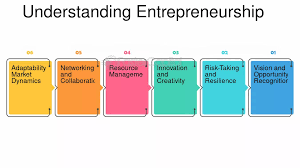

Entrepreneur resources are tools, information, and support systems that help business owners and startup founders build, run, and grow their businesses. They can range from financial support, like loans or grants, to educational materials, mentoring, software tools, and networking opportunities. Essentially, these resources are anything that gives an entrepreneur an advantage in understanding markets, managing operations, and making better decisions.
Using entrepreneur resources effectively can save time, reduce mistakes, and increase your chances of success. For example, a small startup with limited experience may not know how to prepare financial projections, but a simple guide or online tool can make the process much easier. Moreover, entrepreneur resources are not limited to beginners. Even experienced business owners use them to stay updated with trends, optimize processes, and discover growth opportunities.
Entrepreneur resources can be tangible and intangible. Tangible resources include software, funding, co-working spaces, or marketing materials. Intangible resources include mentorship, guidance from experienced entrepreneurs, online courses, or access to industry-specific knowledge. By leveraging both, business owners can maximize productivity, make smarter decisions, and reduce the risks associated with running a business.
| Type of Resource | Example / Purpose |
|---|---|
| Financial Resources | Startup grants, angel investment, bank loans |
| Educational Resources | Online courses, business workshops, webinars |
| Networking Resources | Mentorship programs, entrepreneur groups |
| Tools & Software | Accounting tools, project management apps |
| Marketing Resources | Social media platforms, email marketing tools |
Entrepreneur resources come in many forms, and knowing the types can make a big difference in how effectively you run your business. Some of the most important types include financial resources, educational materials, networking opportunities, legal guidance, marketing support, and technology tools. Each type plays a role in helping entrepreneurs make better decisions, grow their business, and avoid common mistakes. For instance, financial resources can give you the capital needed to launch a product, while educational resources help you learn how to manage money, marketing, or operations efficiently.
It’s also important to understand that not all entrepreneur resources are equally useful for everyone. Some resources are industry-specific, while others are more general. For example, a tech startup may need software development tools, cloud services, and coding courses, while a retail business might focus more on marketing, inventory management, and local networking events. The key is to identify your business stage and needs, then select the right combination of resources that will provide maximum impact without overwhelming you with too much information.
| Resource Type | Purpose / Benefit |
|---|---|
| Financial | Funding, loans, grants, angel investment |
| Educational | Online courses, webinars, skill-building |
| Networking & Mentorship | Guidance, contacts, business growth advice |
| Legal & Compliance | Business registration, contracts, regulations |
| Marketing & Growth | Branding, advertising, social media tools |
| Technology & Tools | Productivity apps, software, cloud solutions |
Free vs Paid Entrepreneur Resources Explained
Many entrepreneurs wonder whether they should focus on free resources or invest in paid options. Free resources are widely available and can include online articles, videos, templates, and forums. They are particularly useful for startups with limited budgets, providing foundational knowledge without cost. However, free resources sometimes lack depth, are not always updated, and may not provide personalizd guidance. Despite this, smart use of free resources can cover a surprising amount of ground, especially in the early stages of a business.
On the other hand, paid entrepreneur resources often provide more comprehensive guidance, expert mentorship, or advanced software tools. Investing in paid resources can accelerate your business growth, reduce mistakes, and save time. For example, a paid financial software may simplify bookkeeping and provide critical insights for decision-making. The best approach is usually a balanced one, using free resources to build foundational knowledge and paid resources to tackle complex areas that need expert input.
Best Entrepreneur Resources for Starting a Business
Starting a business is one of the most exciting, but challenging, phases of entrepreneurship. The right entrepreneur resources at this stage can help turn an idea into a profitable, sustainable business. Key resources include market research tools, business plan templates, branding guides, and website creation platforms. These resources help entrepreneurs understand their target audience, validate their business ideas, and prepare for early operational challenges. For example, free market research tools can help identify competitors and customer trends, which is crucial before investing time and money.
Another important starting resource is mentorship and peer groups. Connecting with other entrepreneurs or joining startup incubators can provide guidance, emotional support, and practical insights from people who have already navigated the early stages. Additionally, software tools for accounting, project management, and communication can save hours of work and reduce errors. By using a combination of educational, financial, and operational resources, new entrepreneurs can build a strong foundation for long-term success.
| Resource Type | Example / Use Case |
|---|---|
| Market Research | Survey tools, competitor analysis, trend reports |
| Business Planning | Templates, software, strategy guides |
| Branding & Marketing | Logo makers, social media scheduling tools |
| Website & Online Tools | Website builders, email platforms |
| Mentorship & Networking | Incubators, online communities |
Entrepreneur Resources for Scaling and Growing a Business
Once a business is established, the focus shifts from survival to growth and scaling. Entrepreneur resources at this stage are often more advanced and specialized. Growth-focused resources include marketing automation tools, investor networks, hiring platforms, and analytics software. These resources help business owners acquire customers, streamline operations, and make data-driven decisions. For example, using customer analytics tools can reveal which marketing strategies are working and which need adjustment, helping businesses scale efficiently.
Additionally, scaling requires human capital resources such as recruiting platforms, team management tools, and leadership development programs. Mentorship remains crucial even at this stage, especially from entrepreneurs who have successfully scaled businesses. Access to funding, whether through venture capital, loans, or partnerships, is also a key resource for expanding operations, launching new products, or entering new markets. By leveraging these resources thoughtfully, growing businesses can avoid common pitfalls and accelerate their journey to success.
How to Choose the Right Entrepreneur Resources
Choosing the right entrepreneur resources can be overwhelming, given the sheer number of options available. The first step is assessing your business stage, goals, and needs. Startups might prioritize financial and educational resources, while scaling businesses may focus on marketing and operational tools. It’s important to avoid overloading yourself with tools or information that doesn’t directly add value to your current objectives.
Another key factor is credibility and usability. Look for resources that have proven results, positive reviews, or endorsements from experienced entrepreneurs. Avoid generic or outdated tools, as they can waste time and money. Combining multiple types of resources strategically—financial, educational, operational, and networking—can give your business a balanced support system, ensuring you have both knowledge and practical tools to succeed.
Final Thoughts: Entrepreneur Resources Explained
Entrepreneur resources are the backbone of every successful business. From financial support to mentorship, marketing tools, and educational materials, the right combination can help any entrepreneur move faster, make smarter decisions, and avoid costly mistakes. Understanding the types of resources, how to use free versus paid options, and aligning them with your business stage is crucial for maximizing impact.
Remember, resources alone won’t guarantee success. What matters most is how you apply them consistently and adapt them to your business needs. Building a habit of learning, experimenting, and connecting with mentors or peers ensures that your entrepreneur resources work effectively. By focusing on both growth and sustainability, every entrepreneur can leverage available tools and knowledge to achieve long-term business success.
FAQs (100 Words Each)
1. What are entrepreneur resources?
Entrepreneur resources are tools, support systems, and knowledge that help business owners build, manage, and grow their ventures. They include financial support, mentorship, educational materials, software, and networking opportunities.
2. Are free entrepreneur resources enough for startups?
Free resources are useful for learning and planning, especially for startups with limited budgets. They cover basics but may lack depth, so combining free and paid resources often works best.
3. How do I choose the right entrepreneur resources?
Assess your business stage, goals, and challenges. Prioritize resources that directly solve your problems or accelerate growth. Look for credibility and usability.
4. What entrepreneur resources are best for growth?
Marketing tools, analytics software, funding options, recruitment platforms, and mentorship programs are critical for scaling a business successfully.
5. Can entrepreneur resources replace mentorship?
Resources provide knowledge and tools, but mentorship adds guidance, real-world insights, and personalized advice. The best results come from combining both.
Read more : What Time Does the Stock Market Open? A Simple Guide for Everyone